
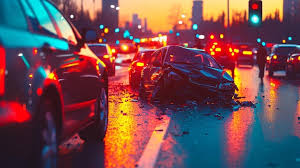
Stephbing thread discussing a left-turn accident in California, the original poster described colliding with a car that crossed double yellow lines while turning left into a driveway; responders suggested that liability would likely be shared, with both insurance companies assigning some percentage of fault to each driver rather than one party being fully responsible, noting factors such as vehicle damage locations, speed, and roadway configuration as key considerations in fault allocation.
Left turn accidents are among the most complex and contested types of intersection crashes. Unlike straightforward rear end collisions, left turn crashes often involve multiple variables right of way rules, traffic signals, driver behavior, and timing. Determining fault is rarely automatic and frequently disputed by insurance companies.
This guide explains how left turn accidents happen, why liability is often unclear, and how fault is evaluated in intersection crashes without overlapping broader car accident topics.
What Is a Left Turn Accident at an Intersection?
A left turn accident occurs when a driver turning left collides with another vehicle, typically one traveling straight through an intersection. These crashes commonly happen at signalized intersections, unprotected turns, or areas with obstructed visibility.
Why Left Turns Are One of the Most Dangerous Driving Maneuvers
Left turns require drivers to judge the speed and distance of oncoming traffic while navigating signals, pedestrians, and lane positioning. Even a small miscalculation can result in a high impact collision, often involving the front or side of a vehicle.
Because left turning drivers cross opposing lanes of traffic, the margin for error is minimal. This is why left turn accidents frequently lead to severe injuries.
Common Intersection Scenarios Where Left Turn Crashes Happen
Left turn collisions often occur when:
- A driver makes an unprotected left turn across oncoming traffic
- A driver turns left on a yellow or changing light
- Oncoming vehicles speed through the intersection
- Visibility is blocked by other vehicles or road design
Each scenario introduces factors that complicate fault determination.
Why Fault in Left Turn Accidents Is Often Disputed
Determining liability in a left turn crash is rarely as simple as it first appears. While many people assume the turning driver is automatically responsible, intersection collisions often involve multiple contributing factors such as signal timing, vehicle speed, and right-of-way interpretation. Understanding how fault is determined in a car accident provides helpful context, but left turn scenarios introduce unique legal and factual complications that require closer examination.
Fault in left turn crashes is rarely straightforward. Insurance companies often challenge liability because multiple drivers may have contributed to the collision.
The Legal Presumption Against the Left Turning Driver
Traffic laws generally require drivers making left turns to yield to oncoming traffic. As a result, there is often an initial presumption that the left turning driver is responsible.
However, this presumption is not absolute. Fault depends on whether the oncoming driver was acting lawfully and whether the left turning driver had a reasonable opportunity to complete the turn safely.
Situations Where the Other Driver May Share Responsibility
Disputes arise when evidence suggests the oncoming driver:
- Was speeding
- Ran a red or late yellow light
- Was distracted or impaired
- Entered the intersection unlawfully
These factors can shift or reduce fault for the left turning driver.
Traffic Laws That Govern Left Turn Right of Way
Understanding fault begins with right of way laws that apply to left turns at intersections.
Yielding Rules for Unprotected Left Turns
In unprotected left turns (without a green arrow), the turning driver must yield to vehicles traveling straight through the intersection. Failure to yield is a common basis for assigning fault.
However, yielding does not mean waiting indefinitely. Drivers are allowed to proceed when it is reasonably safe based on traffic conditions.
How Traffic Signals and Arrow Lights Affect Fault
Protected left turn arrows significantly change liability analysis. When a driver has a green arrow, oncoming traffic must stop. If a collision occurs during a protected turn, fault may shift entirely to the oncoming driver.
Disputes often center on whether the arrow was active at the time of impact.
Differences Between Signalized and Uncontrolled Intersections
At uncontrolled intersections, fault determination relies heavily on local traffic laws and driver judgment. Without clear signals, insurers must evaluate vehicle positioning, timing, and visibility.
When the Left Turning Driver May Not Be Fully at Fault
While left turning drivers are often blamed, there are many scenarios where they may not be fully responsible.
Excessive speed significantly reduces a driver’s ability to stop safely or react to changing traffic conditions at intersections. Even when a left-turning driver attempts to yield appropriately, an oncoming vehicle traveling well above the speed limit can close the distance faster than reasonably anticipated. Research on speeding and crash risk shows that higher speeds not only increase the likelihood of collisions but also the severity of impact, making speed a critical factor when fault is evaluated in intersection accidents.
Speeding or Aggressive Driving by the Oncoming Vehicle
If the oncoming vehicle was traveling significantly over the speed limit, the left turning driver may not have had enough time to react. Speed calculations and skid marks often play a key role in these determinations.
Running a Red Light or Yellow Light Violations
Drivers who enter an intersection after the light has turned red or aggressively accelerate through yellow lights can be found partially or fully at fault, even if they were traveling straight.
Obstructed Views and Poor Intersection Design
Large vehicles, road curves, or inadequate signage can block visibility. In these cases, fault analysis may include environmental factors rather than focusing solely on driver error.
Shared Fault in Left Turn Intersection Crashes
Many left turn accidents result in shared responsibility between drivers.
Comparative Negligence in Intersection Accidents
In states that apply comparative negligence, fault is divided based on each driver’s contribution to the crash. A left turning driver may be partially responsible while still eligible for compensation.
How Partial Fault Impacts Compensation Outcomes
Partial fault can reduce the amount of recoverable damages but does not automatically eliminate a claim. Insurance companies often attempt to exaggerate a driver’s percentage of fault to minimize payouts.
Evidence Commonly Used to Determine Fault
In disputed left turn collisions, the outcome often depends on the strength and clarity of the available proof. Properly documenting car accident evidence can make a significant difference when insurers evaluate right-of-way, signal timing, and vehicle positioning. Because intersection crashes unfold quickly and often without neutral witnesses, collecting and preserving reliable evidence becomes essential in establishing how fault should be assigned.
Because left turn accidents are frequently disputed, evidence is critical.
Traffic Camera and Surveillance Footage
Intersection cameras, nearby businesses, and dashcams can capture signal timing and vehicle movement, providing objective insight into what happened.
Police Reports and Intersection Diagrams
Police reports often include diagrams and officer observations that help establish vehicle positions and right of way at the time of the crash.
Vehicle Damage Patterns and Point of Impact
Damage location front end, side impact, or angled collisions can reveal which vehicle entered the intersection improperly.
Insurance Company Tactics in Left Turn Accident Claims
After a left turn collision, insurance companies move quickly to evaluate liability—often before all the facts are fully reviewed. In many cases, adjusters rely on standard assumptions that place immediate blame on the turning driver. Understanding common insurance adjuster tactics can help explain why fault percentages are sometimes assigned aggressively or prematurely. Because left turn crashes involve complex right-of-way analysis, early conclusions by insurers do not always reflect the full circumstances of the intersection.
Insurance companies approach left turn accidents cautiously due to their complexity.
How Insurers Assign Blame in Intersection Crashes
Adjusters often default to blaming the left turning driver, even when evidence suggests shared fault. This strategy reduces financial exposure.
Common Arguments Used to Reduce Liability
Insurers may claim:
- The turn was unsafe regardless of oncoming behavior
- The left turning driver misjudged distance
- The oncoming driver had the right of way
Challenging these arguments requires detailed evidence.
How Left Turn Accidents Differ From Other Intersection Crashes
Intersection crashes can take many forms, and left turn collisions represent only one category among the different types of car accidents that occur on busy roadways. Unlike rear-end or side-impact crashes caused by signal violations, left turn accidents typically involve questions of right-of-way, timing, and driver judgment. Because of these distinct factors, liability analysis in left turn intersection cases often requires a more detailed evaluation than other common crash scenarios.
Not all intersection accidents are analyzed the same way.
Left Turn vs Rear End Intersection Collisions
Rear end crashes typically involve clear fault assumptions. Left turn accidents require deeper analysis of timing, signals, and vehicle movement.
Left Turn vs T Bone Accidents
While both involve side impacts, T bone collisions often stem from signal violations, whereas left turn crashes hinge on yielding and judgment.
Why Liability Analysis Is More Complex
Left turn accidents combine moving vehicles, changing signals, and judgment calls making liability far less predictable.
When a Left Turn Accident Leads to Serious Injury Claims
The nature of left turn crashes often results in significant injuries.
Left turn accidents that result in serious injuries often involve complex liability issues, especially when fault is disputed between multiple drivers. In these situations, understanding how traffic laws, evidence, and insurance evaluations intersect becomes critical. Speaking with an experienced car accident lawyer can help clarify how fault is assessed, protect your rights during the claims process, and ensure that responsibility is evaluated based on facts rather than assumptions.
High Speed Impact and Side Impact Injuries
Side impact collisions expose occupants to severe trauma due to limited structural protection, increasing the risk of long term injuries.
Long Term Medical and Financial Consequences
Serious injuries can lead to extended medical care, lost income, and ongoing rehabilitation, making accurate fault determination crucial.
Frequently Asked Questions About Left Turn Accidents
Is the driver making a left turn always at fault?
No. While there is often an initial presumption, fault depends on traffic laws, signals, and oncoming driver behavior.
Can both drivers be held responsible in a left turn crash?
Yes. Many left turn accidents involve shared fault under comparative negligence rules.
How do traffic cameras affect fault determination?
Video evidence can clarify signal timing and vehicle movement, often overriding assumptions.
What if the oncoming driver was speeding?
Speeding can significantly reduce or shift fault away from the left turning driver.
Does fault change if the crash happens on a yellow light?
Yes. Entering an intersection late on yellow can affect liability.
How long does it take to determine liability in intersection accidents?
It varies based on evidence availability and dispute complexity.
If you are involved in a left turn collision, taking the right steps immediately after the crash can significantly affect how fault is evaluated and how your claim progresses. From documenting the scene to seeking medical attention and notifying your insurer, knowing what to do after a car accident can help protect your legal and financial interests. Even in complex intersection disputes, early actions often play a critical role in preserving evidence and strengthening your position.