
Understanding big rig crash regulations is crucial for ensuring the safety of all road users. These regulations are designed to prevent accidents and minimize the risk of injuries and fatalities when a big rig is involved in a crash. The Federal Motor Carrier Safety Administration (FMCSA) is responsible for enforcing these regulations, which cover various aspects of trucking, including vehicle maintenance, driver qualifications, and hours of service. By familiarizing yourself with big rig crash regulations, you can better navigate the complexities of truck accidents and take steps to protect yourself and others on the road.
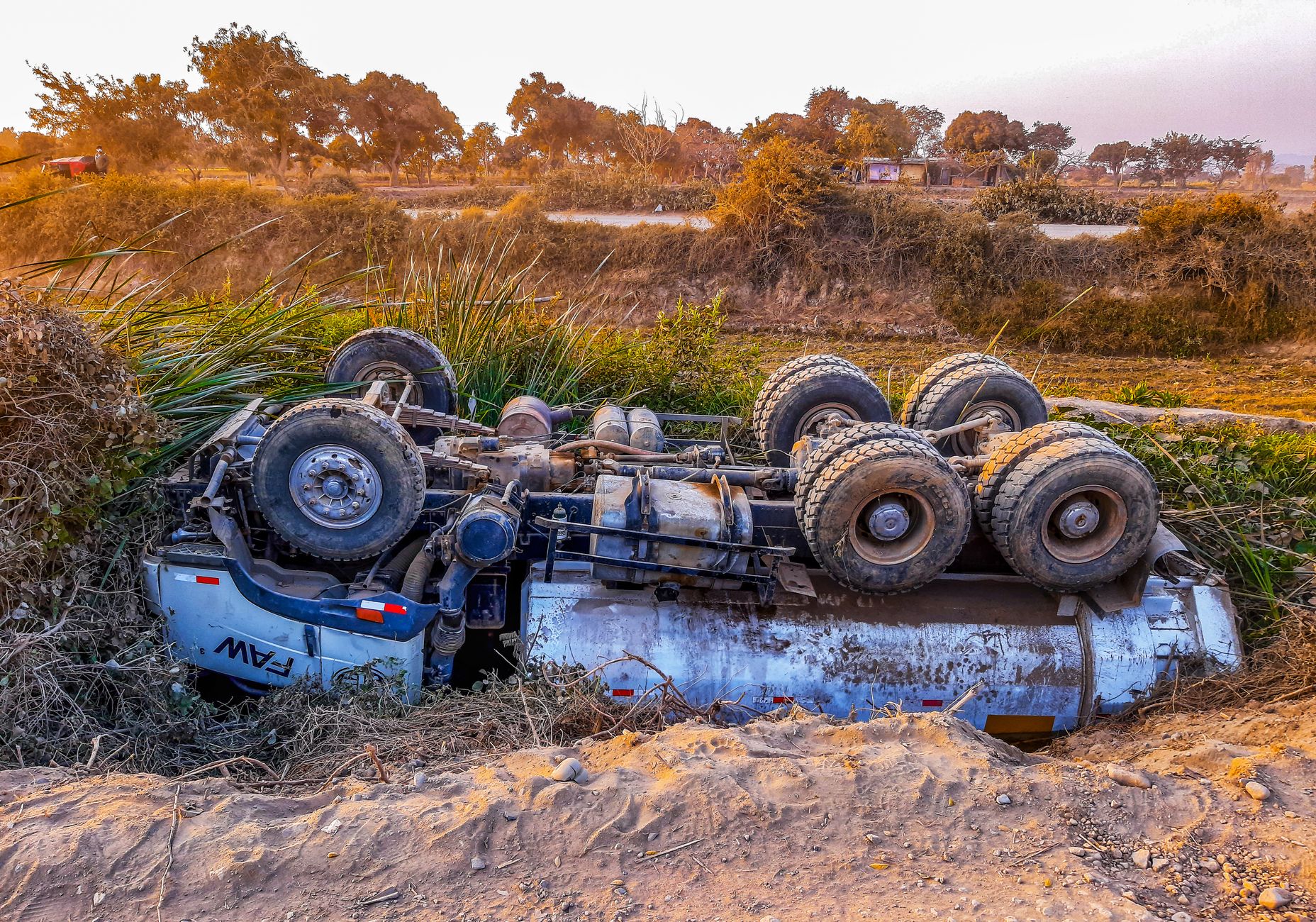
Big rig crashes can have devastating consequences, and it’s essential to understand the regulations in place to prevent such accidents. These regulations cover a wide range of topics, including truck maintenance, which is critical for ensuring that vehicles are in good working condition. Additionally, hours of service rules are in place to prevent driver fatigue, which can significantly increase the risk of an accident. If you or a loved one has been involved in a big rig crash, it’s essential to consult with a truck accident attorney who can help you navigate the complex process of filing a claim.
Big Rig Crash Regulations: An Overview
Big rig crash regulations are designed to prevent accidents and minimize the risk of injuries and fatalities. These regulations cover various aspects of trucking, including vehicle maintenance, driver qualifications, and hours of service. The FMCSA is responsible for enforcing these regulations, which are outlined in the Federal Motor Carrier Safety Regulations (FMCSRs). The FMCSRs provide a comprehensive framework for ensuring the safe operation of commercial motor vehicles, including big rigs. By understanding these regulations, you can better navigate the complexities of truck accidents and take steps to protect yourself and others on the road.
Key Components of Big Rig Crash Regulations
Big rig crash regulations cover a wide range of topics, including vehicle maintenance, driver qualifications, and hours of service. Some of the key components of these regulations include:
- Vehicle maintenance: Regular maintenance is critical for ensuring that big rigs are in good working condition. This includes routine inspections and repairs, as well as adherence to strict maintenance schedules.
- Driver qualifications: Drivers must meet strict qualifications, including having a valid commercial driver’s license (CDL) and completing regular training programs.
- Hours of service: Drivers are subject to strict hours of service rules, which limit the number of hours they can drive per day and per week.
By understanding these components of big rig crash regulations, you can better navigate the complexities of truck accidents and take steps to protect yourself and others on the road. Additionally, if you or a loved one has been involved in a big rig crash, it’s essential to consult with a truck accident attorney who can help you navigate the process of filing a claim and seeking compensation for your injuries.
Preventing Big Rig Crashes: Best Practices
Preventing big rig crashes requires a combination of strict regulations, proper vehicle maintenance, and safe driving practices. Some of the best practices for preventing big rig crashes include:
- Regular vehicle maintenance: Regular maintenance is critical for ensuring that big rigs are in good working condition.
- Safe driving practices: Drivers should always follow safe driving practices, including obeying speed limits, using turn signals, and avoiding distractions while driving.
- Avoiding driver fatigue: Drivers should avoid driving when fatigued, as this can significantly increase the risk of an accident.
By following these best practices, you can help prevent big rig crashes and minimize the risk of injuries and fatalities. Additionally, if you or a loved one has been involved in a big rig crash, it’s essential to consult with a truck accident attorney who can help you navigate the process of filing a claim and seeking compensation for your injuries. For more information on truck accident injury claims and truck accident prevention, visit our website. You can also learn more about big rigs and their safety features by visiting Big Rigs for Moms, a comprehensive resource on the topic.
In conclusion, understanding big rig crash regulations is crucial for ensuring the safety of all road users. By familiarizing yourself with these regulations and following best practices for preventing big rig crashes, you can help minimize the risk of injuries and fatalities. If you or a loved one has been involved in a big rig crash, it’s essential to consult with a truck accident attorney who can help you navigate the complex process of filing a claim and seeking compensation for your injuries.