
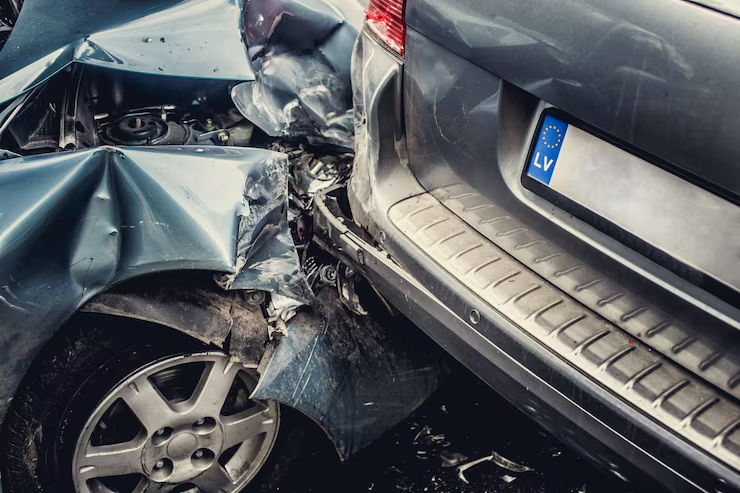
A car accident can turn a normal afternoon into a blur of flashing lights, paperwork, and unanswered questions. If you’ve just been in a crash on I-35, K-10, or a quiet residential street in Wichita, Topeka, or Overland Park, the decisions you make in the next few minutes, days, and weeks can shape whether you recover fair compensation or end up footing the bill yourself.
This guide walks through exactly what to do after a car accident legally in Kansas, based on Kansas statutes governing driver duties, accident reporting, insurance, and the timeline for filing a claim. Whether you were rear-ended at a stoplight or sideswiped on the highway, understanding your legal obligations and your legal rights is the first step toward protecting yourself.
Why Kansas Law Matters Right After a Crash
Unlike some informal “just exchange insurance and move on” advice you might see online, Kansas actually has specific statutes that dictate what drivers must do after a collision. Failing to follow them isn’t just risky for your insurance claim it can result in criminal charges, license suspension, or fines. At the same time, Kansas is a no-fault insurance state, which changes how injury claims work compared to many other states.
Knowing these rules in advance means you won’t be scrambling to figure out your obligations while you’re shaken up, in pain, or dealing with a hostile other driver. Let’s break the process down step by step.
Step 1: Stop the Vehicle and Stay at the Scene
The very first legal duty under Kansas law is also the simplest: stop your car and stay there. Under K.S.A. 8-1602, any driver involved in an accident that causes injury, death, or damage to an occupied vehicle or property must immediately stop at or near the scene and remain there until they’ve satisfied their reporting duties.
Leaving the scene before fulfilling these duties is not a minor technicality. If the resulting property damage is less than $1,000, leaving is a misdemeanor, but if the accident causes injury or $1,000 or more in damage, it becomes a class A person misdemeanor. If the driver knew or reasonably should have known the crash caused a death, the offense escalates to a severity level 4 person felony, and a level 3 felony if more than one person died.
The takeaway: even if the crash seems minor, never drive away until you’ve completed the steps below.
Step 2: Check for Injuries and Call for Help
Once you’ve stopped safely, check yourself and your passengers for injuries, then check on the other vehicle’s occupants if it’s safe to do so. Kansas law actually requires this. Under K.S.A. 8-1604, a driver must make a reasonable effort to determine whether anyone was injured and must render reasonable assistance, including arranging transportation to a hospital if it’s apparent that medical treatment is needed.
Call 911 immediately if:
- Anyone is injured, even if it seems minor
- The vehicles are blocking traffic or creating a hazard
- There is significant property damage
- You suspect the other driver is impaired
Even in a fender-bender with no visible injuries, it’s wise to request police attendance. A responding officer creates an official accident report, which becomes valuable evidence if a dispute arises later about who caused the crash.
Step 3: Exchange Information at the Scene
Kansas law is explicit about what information drivers must exchange after a crash. Under K.S.A. 8-1604, you are legally required to provide:
- Your name and address
- Your vehicle’s registration number
- Your driver’s license, upon request
- Your insurance company’s name and your policy number, upon request
You must provide this information to anyone injured in the accident, to the driver or owner of any damaged vehicle or property, and to any police officer at the scene or investigating the crash. If you hit an unattended vehicle, you have a separate duty under K.S.A. 8-1605 to locate the owner if possible, or otherwise leave your information securely attached to the vehicle and notify police.
While you’re exchanging details, also do the following:
- Take photos of all vehicles, license plates, the road, skid marks, and visible damage
- Photograph the surrounding area, including traffic signs, signals, and weather conditions
- Get names and phone numbers of any witnesses
- Write down the time, location, and direction each vehicle was traveling
This evidence can matter enormously later, particularly if liability is disputed or if you eventually need help from a car accident lawyer to build your case.
Step 4: Report the Accident When Required by Law
A common misconception is that you only need to report a crash if it feels “serious.” Kansas law sets specific thresholds for mandatory reporting, and missing them carries real consequences.
If no police officer is present, the driver or any occupant 18 or older must immediately report the accident to the nearest law enforcement agency if there is apparent property damage of $1,000 or more, if anyone was injured or killed, or if the people involved aren’t present or able to exchange information.
Beyond the immediate report to police, Kansas also requires written accident reports in certain situations. If a crash results in injury, death, or at least $1,000 in total property damage, the investigating officer must forward a written report of the accident to the Kansas Department of Transportation within 10 days. The Division of Vehicles may also require any driver or owner involved in an accident to file their own written report, separate from any police report, whenever it’s deemed necessary.
Failing to comply isn’t a small matter. Giving false information in an oral or written accident report is itself a misdemeanor, and failing to file a required written report can result in license suspension until the report is filed, plus an additional period of suspension afterward.
If you hit a fence, mailbox, parked car, or other unattended property and can’t locate the owner, Kansas Statute 8-1605 still requires you to report the accident and notify the property owner.
Practical tip: Even when state law technically doesn’t require a report, call it in anyway. Your insurance company will almost certainly require a police report or accident report number to process your claim, and having documentation protects you if the other driver later disputes what happened.
Step 5: Understand Kansas’s No-Fault Insurance System
This is where Kansas differs from many other states, and it’s crucial to understand before you start dealing with insurance adjusters. Kansas operates under a no-fault insurance system, meaning your own Personal Injury Protection (PIP) coverage pays your initial medical bills and certain other losses regardless of who caused the crash.
Every auto policy issued in Kansas must include PIP coverage with these minimum benefits:
- $4,500 per person for medical expenses
- $900 per month (up to one year) for lost income or disability
- $25 per day for in-home services you can’t perform due to injury
- $2,000 for funeral or burial expenses if the injured person dies
Kansas drivers must also carry minimum liability coverage of $25,000 per person and $50,000 per accident for bodily injury, plus $25,000 for property damage often written as 25/50/25 coverage.
Because PIP pays first regardless of fault, many minor injury claims never go beyond an insurance exchange. But no-fault doesn’t mean no accountability. If your medical bills exceed your PIP limits, or if your injuries meet certain legal thresholds such as a fracture, permanent disfigurement, or permanent loss of a bodily function you gain the right to step outside the no-fault system and file a claim or lawsuit directly against the at-fault driver for the full range of damages, including pain and suffering.
This is one of the biggest reasons people underestimate their claim’s value. PIP covers your immediate, economic losses, but it does not compensate you for pain and suffering. Understanding whether your injury clears that threshold often determines whether hiring legal help makes financial sense something worth discussing with professionals who specialize in hiring a car accident injury lawyer.
Step 6: Notify Your Own Insurance Company Promptly
Regardless of fault, you should notify your insurer as soon as possible after the accident most policies require “prompt” notice as a condition of coverage. When speaking with your insurance company:
- Stick to the facts: where, when, and what happened
- Avoid speculating about fault or apologizing, even out of politeness these statements can be used against you
- Provide the police report number if one exists
- Keep a record of who you spoke to and when
Be especially cautious if the other driver’s insurance company contacts you directly before you’ve spoken to a lawyer. Adjusters are trained to settle claims quickly and cheaply, and anything you say in that early call including described pain levels or assumptions about fault can be used to minimize your payout later.
Step 7: Seek Medical Attention, Even If You Feel “Fine”
Adrenaline is a powerful painkiller. It’s extremely common for people to walk away from a crash feeling normal, only to develop neck pain, headaches, or back stiffness over the following 24 to 72 hours. Soft-tissue injuries, concussions, and even some fractures don’t always announce themselves immediately.
Beyond your health, there’s a legal and financial reason to get checked out quickly: insurance companies frequently argue that a gap between the accident date and your first medical visit means your injury wasn’t caused by the crash, or wasn’t serious. Documenting your condition right away protects both your wellbeing and your claim.
This matters even more in specific crash types. For example, rear-end collisions frequently cause whiplash and other injuries that take time to fully present, which is why specialized legal guidance for rear-end accident claims often focuses heavily on delayed-onset symptoms and proper documentation.
Step 8: Know the Kansas Statute of Limitations
Kansas law gives accident victims a limited window to file a lawsuit. Under Kansas’s personal injury statute of limitations, you generally have two years from the date of the accident to file suit against an at-fault party. If the crash resulted in a death, the same two-year clock applies, but it begins running from the date of death rather than the date of the accident, which can sometimes be later.
There is a narrow exception: Kansas’s “delayed discovery” rule may extend the deadline if an injury wasn’t and reasonably couldn’t have been discovered until later. But this exception is applied conservatively by courts, so it’s not something to count on.
Two years can feel like a long time right after a crash, but evidence fades, witnesses move, and insurance companies slow-walk claims as the deadline approaches, hoping you’ll either settle cheap or miss your window entirely. Missing this deadline typically means losing your right to compensation altogether, regardless of how strong your case might have been.
Step 9: Understand Kansas’s Comparative Fault Rule
Kansas follows a modified comparative fault rule, which matters if liability for the crash is shared or disputed. Under this rule, your compensation is reduced by your percentage of fault. For example, if you’re found 20% responsible for a collision, your damages award is reduced by 20%. However, if you’re found 50% or more at fault, Kansas law bars you from recovering any compensation at all.
This rule makes early evidence collection and a clear police report especially valuable. Insurance companies routinely try to shift even a small percentage of blame onto the injured party, since doing so directly reduces what they owe or eliminates the payout entirely if they can push your share of fault to 50%.
Step 10: Decide Whether You Need a Lawyer
Not every fender-bender requires legal representation. If your damage is minor, no one was injured, and the insurance company is offering a fair settlement that covers your repairs and any modest medical costs, you may be able to handle the claim yourself.
However, certain situations call for legal advice before you sign anything or accept a settlement offer:
- Your injuries are serious, ongoing, or required hospitalization
- Liability is disputed between drivers
- The other driver was uninsured or underinsured
- The insurance company is denying or delaying your claim
- A loved one died in the crash
- Multiple vehicles were involved, complicating the fault analysis
- Your injuries might exceed Kansas’s no-fault threshold, opening the door to a liability claim
An experienced car accident lawyer can evaluate whether your case clears the threshold to step outside the no-fault system, negotiate with insurers on your behalf, and make sure you’re not pressured into a lowball settlement before you understand the full scope of your injuries. If you’re not sure where to start, resources on how to find the best car crash attorney near you can help you compare experience, track record, and fee structures before committing to representation.
Documenting Your Damages Beyond the Scene
Once the immediate dust settles, building a strong record of your losses becomes just as important as what you did in the first hour. Insurance adjusters evaluate claims largely on paper, so the more organized and complete your documentation, the harder it is for them to dispute or undervalue what you’re owed.
Consider keeping a dedicated folder physical or digital containing:
- The police or accident report number and a copy once available
- All medical records, bills, and discharge instructions from every provider you see
- A simple pain journal noting how you feel day to day, especially in the first few weeks
- Repair estimates and the final invoice for your vehicle
- Pay stubs or a letter from your employer documenting missed work and lost income
- Receipts for any out-of-pocket expenses, including transportation to medical appointments
- Copies of every email, letter, or claim number associated with communications from either insurance company
This kind of record-keeping matters even more if your case ends up exceeding Kansas’s no-fault thresholds. Once you’re pursuing a claim directly against the at-fault driver, you’ll need to show not just that the crash happened, but the full extent of how it disrupted your life medically, financially, and otherwise.
What Happens If the Other Driver Disputes the Accident
It’s not uncommon for the at-fault driver, or their insurance company, to dispute key facts: who had the right of way, how fast each vehicle was traveling, or whether a traffic signal was functioning properly. When this happens, the evidence gathered at the scene becomes the deciding factor.
Dashcam footage, photos of skid marks and final resting positions of the vehicles, witness statements, and the responding officer’s report often resolve these disputes. If no police report exists because officers weren’t called, disputes can become significantly harder to untangle, which is another strong argument for involving law enforcement even in seemingly minor crashes.
In situations involving a serious dispute over fault, particularly where the other side is alleging you were partly or mostly responsible, getting an attorney involved early can prevent the comparative fault rule from being used to unfairly minimize your payout.
Common Mistakes That Hurt Your Claim
Even careful drivers make avoidable errors after a crash. Watch out for these:
- Admitting fault at the scene. Even a reflexive “I’m sorry” can be twisted into an admission of liability.
- Skipping the police report for “minor” accidents. Without documentation, it becomes your word against theirs.
- Posting about the accident on social media. Insurance companies do look, and casual comments can undercut your claim.
- Accepting a quick settlement before understanding your full injuries. Once you sign a release, you typically can’t go back for more if symptoms worsen.
- Waiting too long to see a doctor. This creates gaps that insurers exploit to argue the crash didn’t cause your injury.
- Not keeping records. Save medical bills, repair estimates, missed-work documentation, and all correspondence with insurers.
Preventing the Next Accident
While you can’t control other drivers, understanding common causes of crashes distracted driving, following too closely, poor weather response, and intersection misjudgments can reduce your own risk going forward. For practical strategies on staying safer behind the wheel, see this guide on how to prevent car accidents.
Frequently Asked Questions
Do I have to call the police after every car accident in Kansas? Not every accident legally requires a police report, but Kansas law requires you to report the crash to the nearest law enforcement agency if no officer is present and the accident caused at least $1,000 in property damage, an injury, or a death. Even when it’s not strictly required, calling the police is almost always a good idea, since insurers typically want an official report.
What happens if I leave the scene of an accident in Kansas? Leaving before fulfilling your legal duties is a crime. Depending on the severity of the accident, it can range from a misdemeanor to a felony, particularly if someone was injured or killed and you knew or should have known about it.
How long do I have to file a car accident lawsuit in Kansas? Generally two years from the date of the accident, or two years from the date of death in a wrongful death case. Missing this deadline usually means losing your right to sue.
Does Kansas no-fault insurance mean I can never sue the other driver? No. PIP covers your initial medical bills and lost income regardless of fault, but if your injuries exceed your PIP limits or meet certain severity thresholds like a fracture or permanent injury you can pursue a claim against the at-fault driver for additional compensation, including pain and suffering.
What if the other driver doesn’t have insurance? Kansas requires uninsured motorist coverage as part of standard auto policies, which can step in to cover your losses if the at-fault driver has no insurance. This is one more reason prompt, thorough documentation at the scene matters your own insurer will need it too.
Can my compensation be reduced if I was partly at fault? Yes. Kansas follows a modified comparative fault rule, reducing your compensation by your percentage of fault. If you’re found 50% or more at fault, you cannot recover compensation at all.
Should I accept the first settlement offer from an insurance company? Be cautious. Initial offers often undervalue long-term medical needs, lost income, and pain and suffering, especially before you’ve finished treatment. Once you accept a settlement and sign a release, you generally cannot ask for more later, even if your condition worsens.
Final Thoughts
The minutes and weeks after a car accident in Kansas are governed by clear legal duties: stop, render aid, exchange information, report when required, and notify your insurer. Layered on top of those duties is Kansas’s no-fault insurance system, a strict two-year filing deadline, and a comparative fault rule that can significantly affect your payout if liability is contested.
Following these steps carefully protects you legally and financially, but they’re not a substitute for professional guidance when injuries or disputes are involved. If you’re uncertain about your rights after a crash, or if an insurance company is pushing back on your claim, talking to a qualified attorney early before you sign anything is almost always worth the conversation.
This article is intended for general informational purposes and does not constitute legal advice. For guidance specific to your situation, consult a licensed Kansas personal injury attorney. For the full text of Kansas’s accident-related statutes referenced in this article, see K.S.A. 8-1604 via the Kansas Office of Revisor of Statutes.