
When an individual suffers a personal injury due to the negligence or recklessness of another party, they may be entitled to seek compensation for their losses. One of the most critical aspects of a personal injury claim is the calculation of damages in personal injury, which can include a wide range of expenses, from medical bills to lost wages and pain and suffering. Understanding how damages in personal injury are determined is essential for anyone navigating the complex process of filing a claim and seeking the justice they deserve.
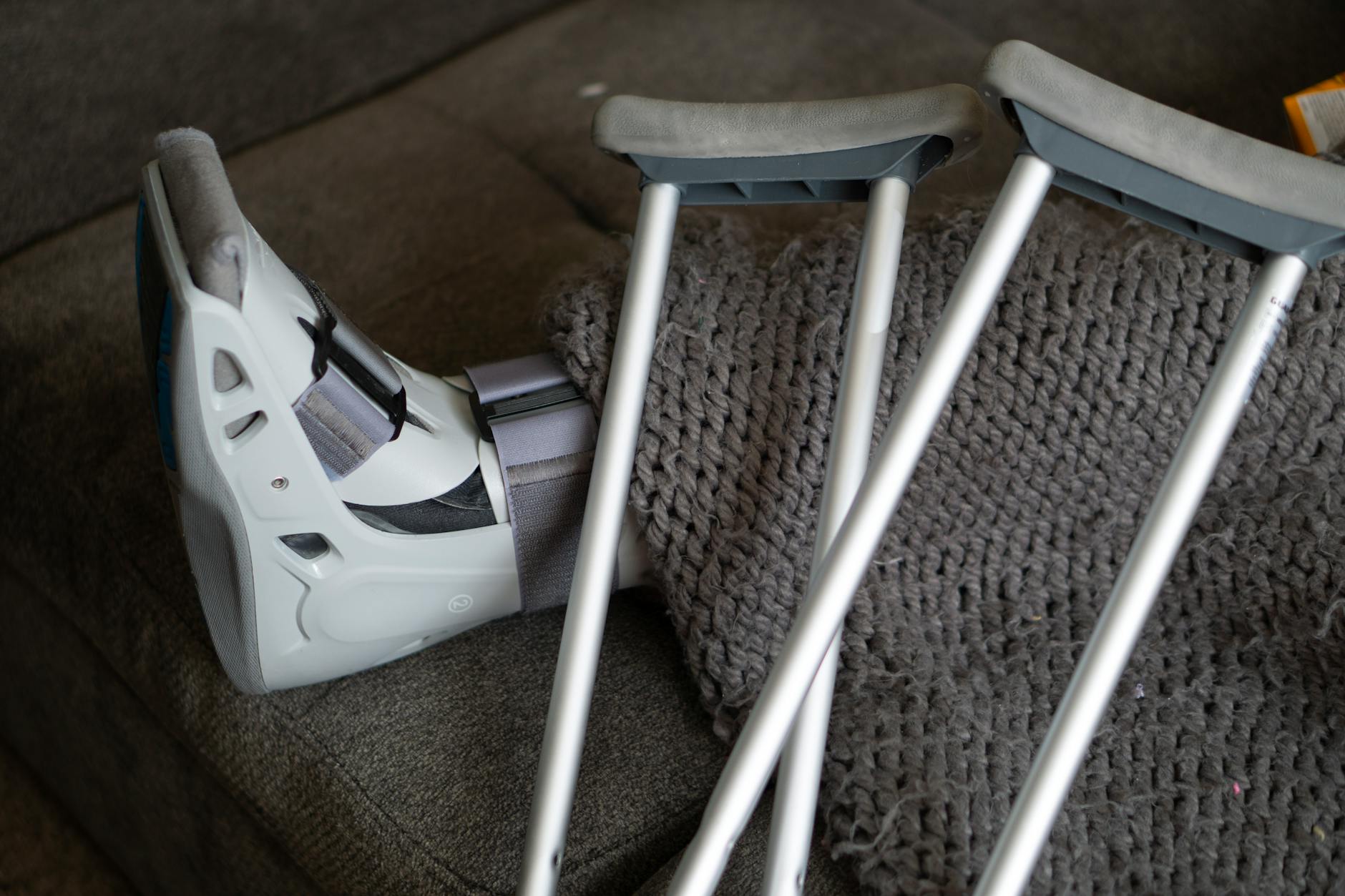
The process of calculating damages in personal injury cases involves several steps, including assessing the extent of the injuries, determining the responsible party, and gathering evidence to support the claim. It is crucial for individuals to seek the advice of a personal injury lawyer who can guide them through this process and help them understand their rights and options. For example, if you were involved in a rear-end accident, consulting a rear end accident lawyer can provide valuable insights into how to proceed with your claim. Additionally, knowing how to go about gathering evidence for rear end collisions can significantly strengthen your case.
Understanding the Types of Damages in Personal Injury
In the context of personal injury law, damages refer to the monetary compensation awarded to the plaintiff for their losses. There are several types of damages that may be awarded, including compensatory damages, punitive damages, and nominal damages. Compensatory damages are intended to reimburse the plaintiff for their actual losses, such as medical expenses, lost wages, and property damage. Punitive damages, on the other hand, are designed to punish the defendant for their negligence or recklessness and to deter others from engaging in similar behavior. Nominal damages are awarded when the plaintiff has suffered no actual losses but has still been wronged by the defendant.
Calculating Damages in Personal Injury Cases
Calculating damages in personal injury cases can be a complex process, involving the assessment of various factors, including the severity of the injuries, the impact on the plaintiff’s quality of life, and the extent of the defendant’s negligence. In some cases, expert testimony may be required to establish the full extent of the plaintiff’s losses. For instance, a medical expert may be needed to provide evidence of the plaintiff’s injuries and the necessary treatment, while an economist may be required to calculate the plaintiff’s lost wages and future earning potential. By navigating the nuances of personal injury and seeking the right legal counsel, individuals can ensure they receive the compensation they deserve.
It’s also important to note that the concept of damages in personal injury is not limited to physical harm but can also include emotional and psychological distress. According to The quantum of damages in personal injury and fatal accident claims, understanding the quantum of damages is crucial for both plaintiffs and defendants in personal injury cases. This resource provides detailed insights into the calculation of damages, making it an invaluable tool for anyone seeking to understand the intricacies of personal injury law.
Seeking Legal Representation for Damages in Personal Injury
Given the complexity of calculating damages in personal injury cases, it is highly recommended that individuals seek the advice and representation of a qualified personal injury lawyer. A skilled attorney can help navigate the legal process, ensure that all necessary evidence is gathered, and advocate on behalf of the plaintiff to secure the maximum compensation possible. By focusing on personal injury, these lawyers specialize in helping clients who have been injured due to the negligence of others, providing them with the support and legal expertise they need during a challenging time.
In conclusion, damages in personal injury cases are a critical aspect of the legal process, providing compensation for individuals who have suffered losses due to the negligence or recklessness of others. Whether you are dealing with the aftermath of a rear-end accident or any other type of personal injury, understanding your rights and the process of calculating damages is essential. By seeking the guidance of a qualified personal injury lawyer and staying informed about the legal process, individuals can navigate the complex world of personal injury law with confidence, ensuring they receive the justice and compensation they deserve.